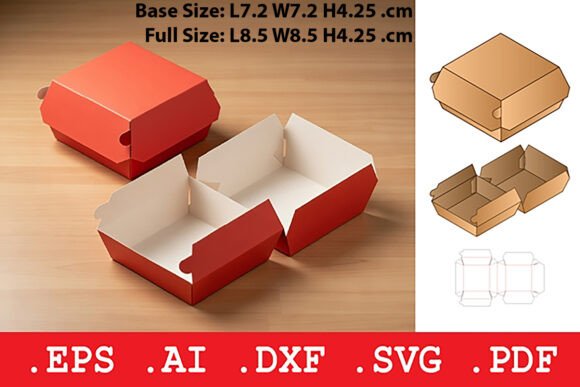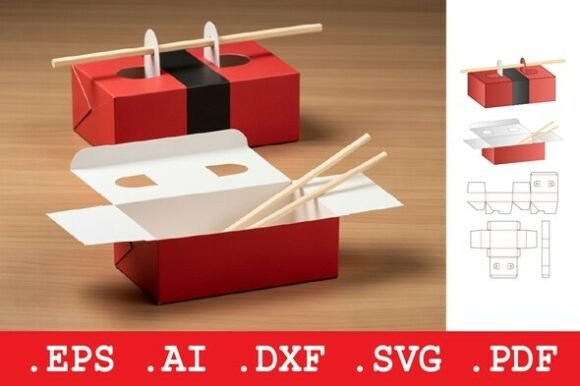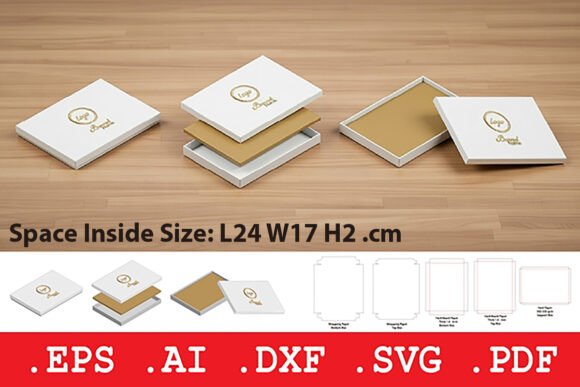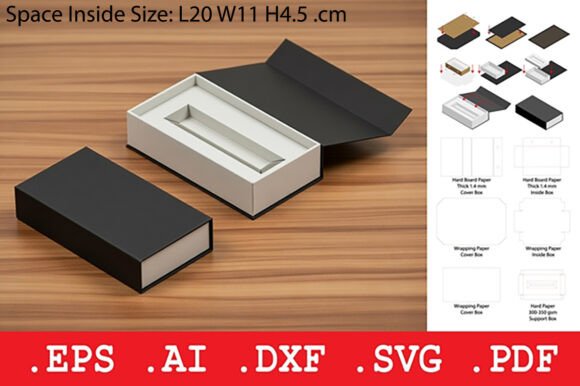
The Trapezoidal Food Take-Out Box: A Smart Packaging Template That Works as Hard as You Do
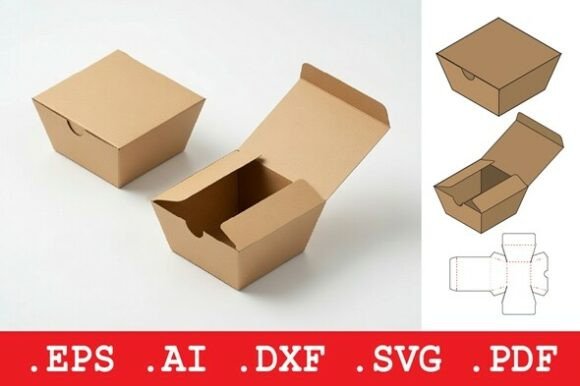
Sometimes the most practical solutions are also the most elegant. A trapezoidal food take-out box isn’t just a container — it’s a piece of functional design that solves real problems for food vendors, makers, and small business owners. This packaging template features a tapered base that’s wider at the top, giving it a stable footprint while allowing multiple boxes to nest together before use. A secure fold-over lid with integrated dust flaps and a front thumb-notch keeps food safe during transport and makes opening easy for customers. Designed for 200–350 gsm paper stock, this is a non-rigid structure that depends on precise folding rather than heavy machinery, making it accessible to operations of almost any size.
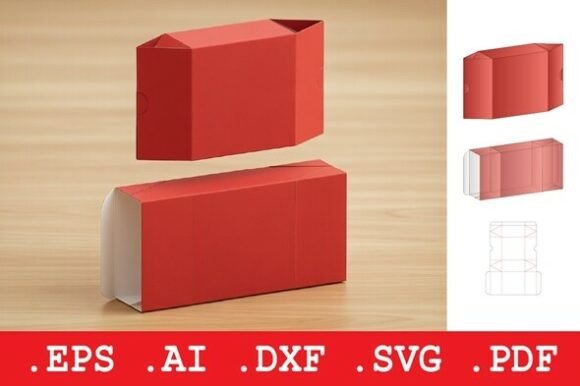
What makes this particular resource stand out is the included file set. You’re not buying a physical box — you’re getting a production-ready dieline in multiple formats: .EPS, .AI, .DXF, .SVG, and .PDF. That means you can send it straight to a commercial printer, tweak the branding in Adobe Illustrator, cut it on a laser cutter, or run it through a craft cutter at home. It’s the kind of template that grows with you, whether you’re launching a weekend bakery pop-up or supplying hundreds of restaurants.
Why the Trapezoidal Shape Works So Well
The tapered silhouette isn’t just for looks. A trapezoidal base creates a wider opening at the top, which makes scooping in food — whether it’s rice bowls, noodle salads, or chunky stews — faster and less messy for staff. Because the sides angle inward toward the bottom, the box sits securely on trays and counters without feeling wobbly. Stackability is another quiet advantage: when you’re working in a cramped food truck or a festival stall, being able to nest empty boxes saves precious counter real estate.
The fold-over lid with side dust flaps is an underrated design detail. In a busy lunch rush, a loosely closed box can spell disaster. Those flaps tuck down alongside the main body, adding lateral strength and sealing the edges against dust, light rain, or accidental jostles. Meanwhile, the front thumb-notch means customers don’t have to pry the lid open with fingernails or risk tearing the box. It’s a simple touch that dramatically improves the eating experience — people notice when packaging doesn’t fight them.
Where You’ll Find These Boxes in Action
Walk through any weekend market, and you’ll probably spot a dozen variations of the trapezoidal take-out container without realizing it. A wood-fired pizza vendor might use it for personal-sized flatbreads. A gourmet popcorn seller might choose a kraft version with a branded stamp. Meal prep kitchens often gravitate toward this style because it holds a satisfying single portion yet stores flat in the back until assembly.
Food trucks are a natural fit. Think of loaded nachos, teriyaki bowls, or saucy pulled pork — items that need enough surface area to look appetizing without being swimming in a deep, narrow tin. The angled walls also make the food look more generous from above, which is a subtle psychological win for customers eating with their eyes. Because the template supports 200–350 gsm paper, you can select a heavier board for hot, saucy dishes or a lighter one for dry baked goods, keeping costs down without sacrificing structure.
Cafés and bakeries use the same template for pastries, cookies, or even small loaves. The tapered design lets customers see the top of the baked good clearly when they open the lid, almost like a display pedestal. And because the box is non-rigid and folds flat when not assembled, storage space at a tiny coffee bar becomes manageable.
From Commercial Kitchens to Kitchen Tables
One of the most practical shifts in recent years is how home-based food businesses have embraced professional packaging. A home baker selling decorated sugar cookies at the local farmers’ market can download the .AI or .SVG file, add her own floral pattern in the corner, cut the blanks from cardstock with a Cricut, and assemble them at the kitchen island. Suddenly, the product looks as polished as anything from a brick-and-mortar bakery. That perception of quality can easily justify a higher price point.
Crafters and artists also reach for this template when they need sturdy, small-batch packaging for candles, soaps, bath bombs, or curated gift sets. The trapezoidal shape offers a bit more visual interest than a standard tuck-top box, and the closure feels secure without needing adhesive. For event planners, using these as welcome boxes at weddings or pop-up dinners adds a handmade yet professional touch.
How Different File Types Serve Different Creators
The included files aren’t just a bonus; they’re a roadmap to entirely different production workflows. A graphic designer working on a restaurant rebrand will likely open the .AI source file to integrate spot colors and precise logo placement before sending the .EPS to a commercial offset printer. The .EPS format is the industry standard here — most print shops will accept it without question, and it preserves all line weights and folds exactly as drawn.
Maker spaces and small-batch producers often rely on the .DXF file, which talks directly to CNC routers and laser cutters. If you’re cutting chipboard or even thin wood veneer for a reusable, upscale version of the box, this is the file that makes it possible. On the digital craft side, the .SVG format imports cleanly into Silhouette Studio, Brother CanvasWorkspace, or Cricut Design Space, giving hobbyists and small studios precise control. Then there’s the .PDF — perfect for quick viewing, manual tracing, or printing onto cardstock when you just need to a single prototype without any fancy machines.
What to Think About Before You Print or Cut
Paper weight matters more than almost anything else. The dieline is engineered for 200–350 gsm stock, but where you land inside that range depends on what you’re packing. At 200 gsm, you’ll get a box that’s light, easy to fold, and ideal for cookies, sandwiches, or other dry-to-slightly-moist items. If you’re serving hot food with some liquid, like a curry or a dressed salad, pushing closer to 300–350 gsm gives you the rigidity and resistance to moisture that you need. Just remember: heavier board requires scoring along fold lines, otherwise the folds may crack or look sloppy.
Food safety is another consideration. Paperboard without a coating might work for a pastry, but grease from fried chicken or melted cheese will soak right through. Many users apply a food-safe polyethylene liner or order stock that already has a barrier coating. If you’re cutting from uncoated kraft card and then assembling by hand, keep a stack of pre-cut parchment liners nearby — it’s a cheap, easy workaround that also adds a rustic charm.
Assembly time can catch people off guard. One box is a snap; a hundred boxes while you’re prepping food is a recipe for stress. If you plan to fold a large quantity regularly, consider building jigs or training a helper. The design doesn’t require glue, which is both a time-saver and a frustration-saver on busy days, but you still need to tuck the dust flaps securely so the lid doesn’t pop open.
Getting the Most from the Lid and Closure System
The fold-over lid isn’t just a flap — it’s a carefully engineered closure that works with the trapezoidal geometry. When you fold it over, the slight outward slope of the front panel actually helps the lid’s tab seat into the thumb-notch with a satisfying friction fit. This is far more reliable than a simple slot-and-tab design that might tear over repeated use. The side dust flaps, often overlooked, serve a dual purpose: they keep the interior free of debris during transport and reinforce the box against lateral pressure. If a delivery bag gets squashed, those flaps help the box hold its shape rather than popping open at the seams.
For customer experience, the thumb-notch turns opening the box into an effortless, one-handed motion. Anyone who’s tried to juggle a drink, a phone, and a lunch container will appreciate that. It’s a small design choice, but it directly reduces spills and frustration — the kind of detail that earns repeat business.
Unexpected Ways to Use a Food Packaging Template
Beyond food, the trapezoidal box finds a home in all sorts of creative and commercial niches. Jewelry makers use miniaturized versions for earring boxes. Florists package small succulent arrangements inside with a bed of crinkle paper. At conferences and trade shows, companies fill branded versions with promo items like USB drives and stickers, because the angular shape stands out in a sea of rectangular bags.
Teachers and educators have even adopted the template for classroom kits. Cut from sturdy card, the box can hold math manipulatives, art supplies, or take-home science activities. Since the dieline can be resized (with care), you can scale it up for larger projects or down for tiny party favors. The key is maintaining the proportions and always running a test fold — paper can behave unpredictably when scaled up beyond the intended range.
Choosing the Right File for Your Workflow
If you’re unsure where to start, try matching your tools to the format:
- .AI (Adobe Illustrator): Dive in when you need full creative control. Add windows, change panel shapes, or create multiple branded versions.
- .EPS (Encapsulated PostScript): This is your go-to for sending to a professional print shop. It’s robust, universally supported, and ready to plate.
- .DXF (Drawing Exchange Format): Use this if you’re running a CNC machine or laser cutter. It plots the cut and score lines for materials like mat board, chipboard, or thin plywood.
- .SVG (Scalable Vector Graphic): Import into digital craft cutters like Cricut or Silhouette. Ideal for small batches, custom cardstock, and weekend projects.
- .PDF (Portable Document Format): Perfect for manual scoring and cutting with a craft knife and ruler. Also handy for quickly viewing the layout on any device.
Why a Ready-Made Dieline Saves More Than Time
Designing a functional box from scratch involves a lot of trial and error. You need to account for material thickness, grain direction, folding allowances, and how the closure interacts with the geometry. This already-tested template eliminates that learning curve, so you can spend your energy on what goes inside the box rather than the box itself. For small business owners, that means getting to market faster. For freelancers and designers, it means delivering a trustworthy packaging solution to clients without starting from square one each time.
In a world where first impressions often happen through takeaway windows and delivery bags, the packaging is part of the product. The trapezoidal food take-out box delivers a combination of efficient design, versatile production options, and genuine user-friendliness. Whether you’re packing smoky barbecue, delicate macarons, or a set of handmade soaps, this template gives you a solid foundation to build on — and the freedom to make it entirely your own.