The Art of Presentation: Mastering the Sliding Drawer Retail Box
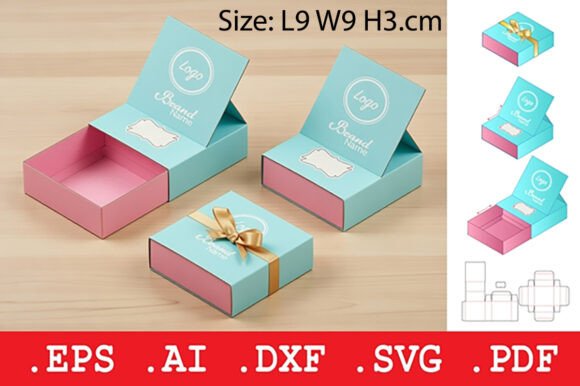
In an age where a product’s first impression is often made online, the physical moment of unboxing has become a critical touchpoint. The Sliding Drawer Retail Box transforms this moment into an experience. This minimalist folding carton, with its sleek two-part construction of an outer sleeve and a sliding inner tray, represents a shift towards thoughtful, interactive packaging that prioritizes both aesthetics and function.
Its relevance is undeniable. For creators selling handmade jewelry, boutique owners curating unique gifts, or electronics brands shipping compact devices, the presentation is part of the product narrative. This non-rigid design, optimized for 180-350 gsm paper, provides a smooth, deliberate reveal. Unlike a rigid box that might be torn open, the sliding drawer invites a slower, more appreciative interaction. It frames the contents, building anticipation and elevating the perceived value.
Aligning with Modern Consumer Expectations and Trends
Current market preferences lean heavily towards minimalist design and sustainable practices. The Sliding Drawer Retail Box fits seamlessly into this landscape. Its flat-pack layout, defined by precision dielines, minimizes material waste and reduces shipping volume. This efficient design supports a modern workflow where businesses, from professional brands to entrepreneurial hobbyists, seek to streamline their operations while maintaining high-quality output.
The trend towards personalization is another key driver. The basic box offers a clean, secure friction-fit closure, but the optional decorative ribbon pull unlocks a layer of customization. This simple addition allows a brand to infuse color, texture, and brand identity directly into the unboxing mechanics. A satin ribbon can suggest luxury; a rustic twine can communicate artisan craftsmanship. It turns a functional opening into a branded gesture.
The Evolution from Simple Container to Experience Platform
Packaging has evolved from a mere protective shell to a platform for communication and experience. People are paying more attention to it because, in a crowded marketplace, differentiation happens at every point of contact. The Sliding Drawer Retail Box exemplifies this evolution. It is no longer just about containing an item; it’s about presenting it. This design encourages creators to think of the box as a stage, and the product as the performer revealed with a deliberate, smooth slide.
This attention is also fueled by the sharing culture of social media. An aesthetically pleasing and unique unboxing process is often documented and shared, providing organic marketing for the brand. The sliding drawer action is inherently photogenic and engaging, making it more likely to be featured in user-generated content, a powerful asset for any business.
Practical Implications for Users and Creators
The practical benefits of this packaging solution are multifaceted. For the business owner or freelancer managing production, the included template files are a toolkit for efficiency and quality control.
- .DXF precision cut lines enable integration with CNC and laser cutting hardware, perfect for scaled production or prototyping.
- .SVG scalable vector graphics allow for easy digital design adjustments and compatibility with craft plotters for smaller batches.
- .EPS and .PDF files meet industry standards for high-quality printing and provide a clear guide for manual assembly.
- The .AI source file grants full customization power, letting designers alter graphics, dimensions, or add the ribbon pull element directly within a familiar Adobe Illustrator environment.
This file suite supports a range of workflows, from a marketer outsourcing to a professional printer to an educator leading a workshop on packaging design, or a hobbyist crafting personal gifts. The ease of manual assembly means that even businesses without automated packing lines can achieve a polished, professional result consistently.
Realistic Applications and Recommendations
Consider a small electronics company launching a premium wireless earbud. Using a Sliding Drawer Retail Box with Ribbon made from a heavier 350gsm textured paper, they create an unboxing that feels substantial and luxurious. The ribbon pull adds a tactile elegance that aligns with the product’s high-end positioning. The flat-pack design also reduces their warehouse storage footprint.
For a freelance jewelry artist selling online, the same box constructed from a lighter, recyclable 180gsm stock offers an eco-conscious and beautiful presentation that protects delicate pieces. They can use the .SVG files to quickly plot and cut a small batch for a new collection, adapting the design as needed. The secure friction-fit closure ensures items stay safe during transit, a practical necessity for direct shipping.
When implementing this packaging, it’s wise to first prototype using the .PDF or .AI files to ensure the material choice (within the 180-350 gsm range) provides the desired rigidity and feel. Testing the assembly process confirms the friction fit is secure. If adding a ribbon, its attachment should be integrated into the dieline design for consistency. The goal is a seamless blend of design intent and manufacturing execution.
The Integrated Role of Technology and Design
The provided digital file formats highlight how modern packaging bridges physical craftsmanship and digital precision. The dielines are not just sketches; they are data-driven blueprints ensuring every fold, cut, and slot aligns perfectly. This allows the Sliding Drawer Retail Box to be both a hand-assembled object and a product of digital design tools, accessible to professionals using industrial cutters and creators using desktop craft machines.
This integration reflects a broader lifestyle shift where makers and businesses leverage accessible technology to produce high-quality, custom goods. The template empowers users to control their entire packaging process, from graphic design to final physical form, reducing reliance on generic, off-the-shelf solutions. It puts the design power back into the hands of the brand, enabling a cohesive and unique product experience from the online storefront to the customer’s hands.
Ultimately, the Sliding Drawer Retail Box, and its enhanced version with a ribbon, is more than a container. It is a considered design choice that addresses contemporary needs: sustainability through efficient design, brand expression through customizable aesthetics, and practical logistics through flat-pack assembly and versatile file support. It meets the user expectation for a memorable unboxing while fulfilling the business need for a reliable, scalable packaging solution. By focusing on this harmonious blend of experience and efficiency, brands can create a lasting impression that begins the moment the drawer starts to slide.