Your Guide to the Rectangular Tuck Top Retail Box
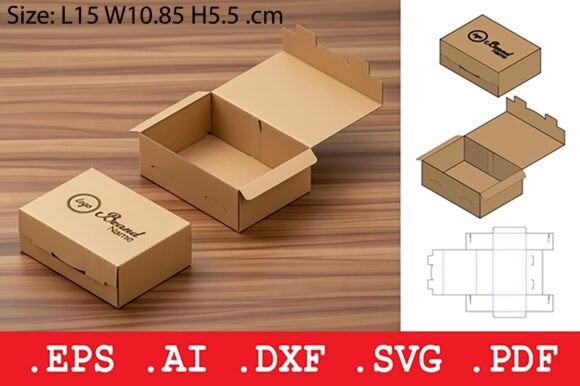
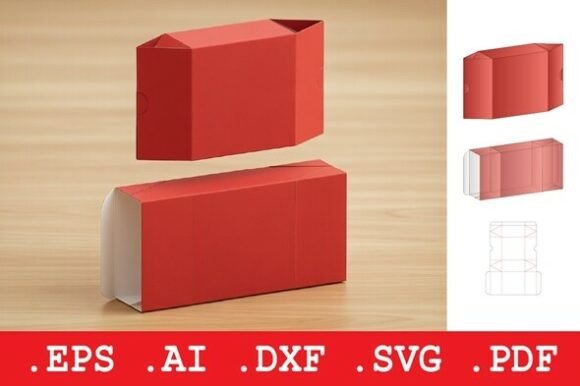
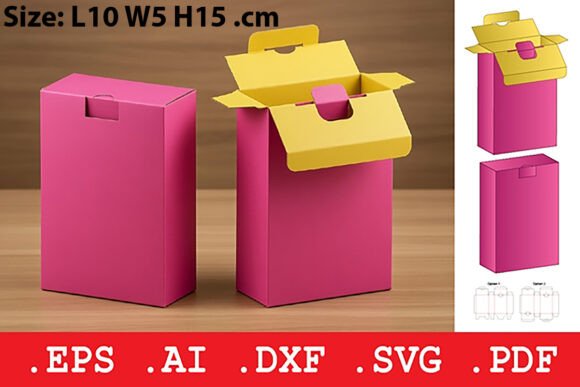
In the bustling world of retail and creative production, packaging often serves as the silent ambassador for a product. Among the many options available, the rectangular tuck top retail box stands out as a versatile and widely adopted solution. At its core, this is a simple yet cleverly engineered paper box. Its defining feature is a lid that folds over and tucks neatly into a front panel, securing itself with a tab without requiring any glue or adhesive. This design creates a stable closure that can be opened and resealed, offering both practicality and a clean aesthetic.
The Engine Behind the Experience
What makes this specific template noteworthy is its optimization for materials like 200-350 gsm paper. This weight range represents a sweet spot between lightweight flexibility and sufficient strength. The result is a non-rigid structure that is resilient enough to protect its contents during shipping and handling, yet pliable enough to be easily assembled, often by hand. The inclusion of integrated side-locking tabs is a subtle but crucial detail. These tabs ensure the box maintains its precise rectangular shape, preventing bulging or distortion, which directly contributes to that smooth, high-quality unboxing moment consumers appreciate.
The provided file suite—DXF for CNC machines, SVG for digital crafters, EPS for industrial printers, PDF for universal access, and the original AI source file—speaks to its adaptability. This isn't just a single product; it's a blueprint ready to meet a spectrum of production methods.
Why This Box Matters to Different People
The value of the rectangular tuck top retail box isn't universal; it shifts dramatically based on who you are and what you're trying to accomplish. Its simplicity is its greatest strength, serving as a bridge between diverse needs and skill levels.
For Entrepreneurs and Small Business Owners
If you're launching a small batch of artisan candles, specialty teas, or boutique skincare, your priorities likely center on cost-effectiveness, reliable presentation, and ease of assembly. This box template answers those needs directly. The adhesive-free closure means no extra investment in glue or application tools, and assembly can be quick, even for smaller teams. The clean geometric shape presents your product professionally, enhancing perceived value. The availability of a print-ready PDF means you can start with a local print shop without needing specialized design software, reducing initial barriers.
For Creators, Hobbyists, and Educators
A maker creating handmade greeting cards, a hobbyist packaging a model kit for a gift, or a teacher running a workshop on product design sees this template differently. Here, the priorities are creativity, learning value, and hands-on practicality. The Adobe Illustrator source file offers a canvas for full customization—adding unique graphics, changing dimensions, or experimenting with layouts. For an educator, the box's straightforward mechanics provide a perfect real-world example to teach principles of structural design, material choice, and user experience. The SVG and PDF files allow crafters to use tools they might already own, like digital cutters or simply a pair of scissors, turning a digital template into a tangible project.
For Marketing Professionals and Retail Strategists
This audience evaluates the box through the lens of brand experience and consumer psychology. The secure tab closure and side-locking mechanisms aren't just technical features; they are drivers of a reliable unboxing experience. A box that arrives perfectly crisp and opens smoothly reinforces brand quality. The flexibility of the paper stock means it can be paired with luxurious finishes for a high-end feel or with more economical stock for a pragmatic, eco-conscious message. The template's reliability ensures the brand promise made on the outside is delivered intact on the inside, a key consideration for long-term customer trust.
For Manufacturers and Production Professionals
When efficiency and scalability are paramount, the technical file formats become the headline. The DXF compatibility with CNC and laser cutting hardware allows for precise, automated production runs, ensuring every box is identical and reducing material waste. The EPS format serves as the standard for high-volume industrial printing workflows. For this user, the box's optimization for specific paper weights is a critical data point, informing material procurement and machine calibration decisions that affect both speed and final product strength.
Aligning the Box with Your Project Goals
Determining whether the rectangular tuck top retail box is right for you involves a honest look at your project's dimensions—not just physical, but logistical and creative.
Consider your primary need. Is it speed and simplicity for a quick, small-run project? The PDF and straightforward assembly cater perfectly to this. Is it full creative control and integration into a larger branded ecosystem? The AI source file is indispensable. Is the project about learning and experimentation? The mix of vector files allows you to explore different production methods from digital design to physical cutting.
Also, weigh the importance of closure security versus reusability. The tuck top design offers a secure closure that is also consumer-friendly to open and close again, which might be ideal for products meant to be stored after initial use. If your product requires absolute, tamper-proof sealing, other designs might be more suitable.
Finally, reflect on your material ethos. The non-rigid, paper-based structure is often perceived as more sustainable and lightweight than rigid plastic or thick cardboard. This can align with brand values or personal preferences focused on environmental impact and shipping weight.
The Unboxed Conclusion
Ultimately, the rectangular tuck top retail box is more than a container; it's a flexible tool whose relevance is defined by the user. For the entrepreneur, it's a launchpad. For the creator, it's a blank slate. For the professional, it's a reliable component in a larger system. Its design—from the thoughtful locking tabs to the spectrum of file formats—anticipates a world where people approach packaging with different tools, different priorities, and different dreams. By understanding how its features map onto your specific goals, you can decide not just if it's a good box, but if it's the right tool for your particular story.