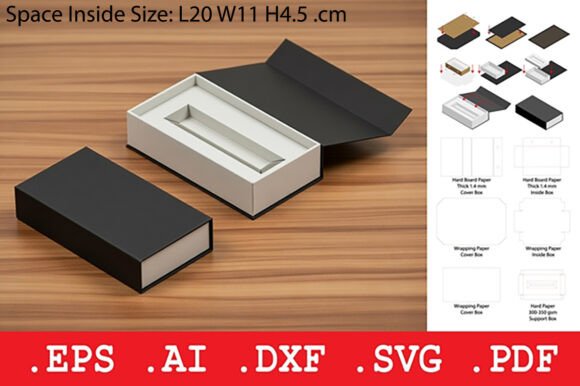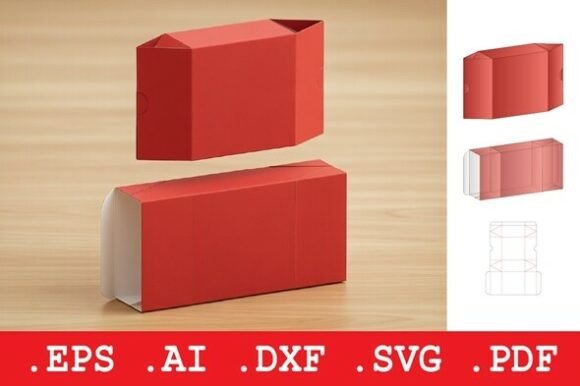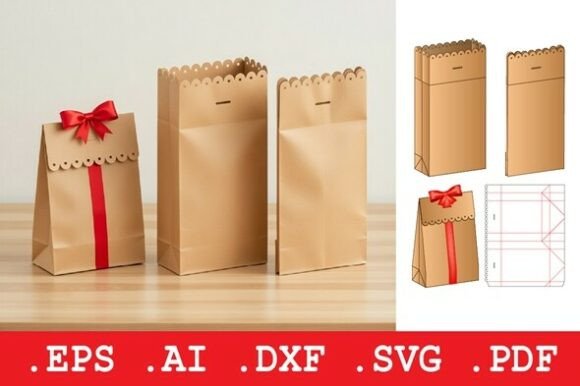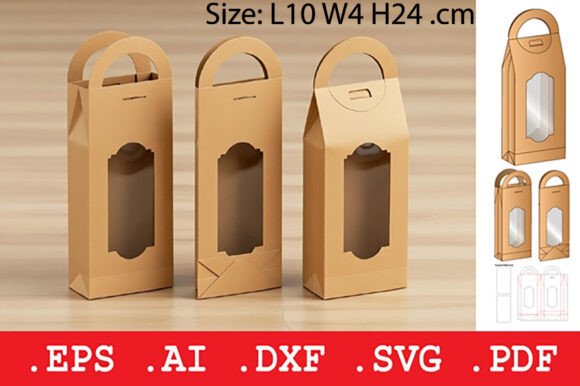
Making Packaging Feel Intentional with the Trapezium Flip Fold Lock Tray Box
There's a moment when someone opens a box and everything about the presentation feels deliberate. The angles catch light differently than a standard rectangle would. The lid lifts smoothly without resistance. Nothing is taped, nothing is glued, yet the structure holds its shape with quiet confidence. That's what the Trapezium Flip Fold Lock Tray Box template delivers — a packaging solution where form and function genuinely intersect.
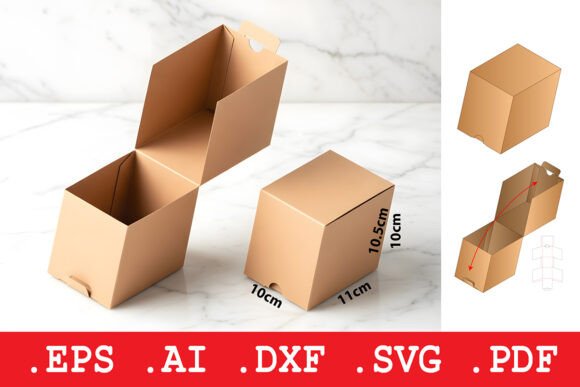
This isn't just another folding carton. The tapered trapezium profile, with its angled sides narrowing toward the base, creates a silhouette that stands apart from the sea of square and rectangular containers people encounter daily. Combined with an integrated flip-fold lid and a locking tab mechanism that requires zero adhesive, the design solves multiple packaging headaches simultaneously. It's structured for sturdiness with paper stock ranging from 200 to 350 gsm, giving makers and businesses enough range to match their specific product weight and presentation goals.
Where This Packaging Design Finds Its Place
Walk through a weekend farmers market or a boutique bakery on a Saturday morning, and you'll notice something: the vendors who sell out fastest often pay attention to how their goods are handed over. A pastry placed in a flimsy generic box communicates something different than one nestled into a sharply folded, geometrically interesting container. The trapezium tray box speaks to customers before they even open it.
Bakeries and patisseries are perhaps the most natural fit. Macarons, with their delicate shells and precise coloring, benefit from packaging that doesn't crush them while also framing them attractively. The wide opening of the trapezium tray makes placement straightforward — no awkward angling required to position fragile items — and the tapered sides naturally draw the eye inward toward the contents.
Chocolatiers face a similar challenge. Handcrafted truffles and bonbons represent significant labor and premium ingredients. When a customer pays for artisan chocolate, the unboxing should feel like an event, not an afterthought. The geometric precision of the trapezium shape suggests intentionality, and the locking lid mechanism means no adhesive residue risks transferring onto the chocolate itself — a small detail that matters enormously in food presentation.
Beyond Food: Unexpected Applications That Work
While edible goods make up a large portion of use cases, the template's versatility extends further. Small-batch cosmetic producers, particularly those making solid lotion bars, bath bombs, or handcrafted soaps, find the shallow tray format ideal for displaying products that customers want to see and smell before purchasing. The angled walls create a subtle pedestal effect, elevating the perceived value of whatever sits inside.
Jewelry makers working with earrings, rings, or delicate necklaces appreciate how the lock-tab lid secures without springs, magnets, or hinges — nothing to fail, nothing to source separately. For craft fair vendors who set up and break down displays repeatedly, the flat-pack nature of the template before folding means they can transport dozens of unfolded blanks in a slim portfolio case, assembling them as needed on site.
Wedding and event planners have adopted similar templates for favor boxes and place-setting gifts. The distinctive shape photographs beautifully on tablescapes, and the fact that assembly requires no glue means last-minute preparation doesn't involve drying time or messy adhesive stations. When you're setting up 150 place settings at 10 PM the night before an event, that matters.
Small Business Owners and the Unboxing Experience
For online sellers shipping products directly to customers, packaging functions as the first physical touchpoint between brand and buyer. A standard mailer box gets the job done, but it rarely generates the kind of social media sharing that drives organic reach. The trapezium tray box, with its unexpected geometry and satisfying locking mechanism, has a higher likelihood of appearing in unboxing videos, Instagram stories, and customer review photos.
This isn't about gimmickry. It's about creating a moment where the customer feels the brand invested thought into every detail. When someone receives a piece of jewelry or a selection of macarons in a container that feels substantial and looks distinctive, they infer care about the product itself. That inference — fair or not — shapes repeat purchase decisions and word-of-mouth recommendations.
What Makes the Locking Tab Mechanism Work
The no-glue closure deserves attention because it solves a real pain point. Anyone who has assembled folded packaging at scale knows that glue introduces variables: drying time, alignment drift, messy excess, and the potential for bonds to fail in humid conditions or during shipping. The integrated locking tab on this design creates a mechanical closure — the lid flap tucks into a corresponding slot, held in place by tension and the natural rigidity of the cardstock.
For users working with 200-350 gsm paper, this range matters. Lighter than 200 gsm and the locking tab won't hold reliably; heavier than 350 gsm and the folds become difficult to crease cleanly, especially on the angled side panels where the trapezium geometry requires precise scoring. Within that sweet spot, the structure feels satisfyingly solid without being unwieldy to fold by hand.
The wide opening is another practical feature that reveals its value during assembly line-style packing. Unlike deep, narrow boxes where fingers struggle to position items at the bottom, the shallow tray and broad access make quick work of placement. For bakeries packaging dozens of pastries during a morning rush, those saved seconds compound.
File Formats and What They Actually Mean for Different Users
The template package includes five file types, and understanding which one matches your workflow prevents frustration. The .DXF file speaks directly to CNC routers and laser cutters — if you're producing in volume using automated cutting equipment, this is your starting point. Laser cutting gives exceptionally clean edges on cardstock, and the trapezium shape with its angled sides benefits from that precision since any deviation becomes visibly obvious in the final assembled form.
Crafters and small-scale makers gravitate toward the .SVG format. It's the lingua franca of digital cutting machines like Cricut and Silhouette, and it scales cleanly without degradation. If you're prototyping at half size to test fold mechanics before committing to full production, SVG lets you resize without redrawing anything.
The .EPS and .PDF files serve commercial printing workflows. EPS remains the standard vector format that virtually every print shop accepts, while the PDF version gives a quick, print-ready option for manual cutting or for sending to a local printer who may not need the editable source file. The .AI (Adobe Illustrator) file is where full customization happens — change colors, add branding, adjust score lines, or modify dimensions while maintaining the core geometric relationships that make the trapezium shape work.
Considerations Before Committing to This Template
Paper choice matters more than many first-time users realize. The 200-350 gsm range covers a lot of ground, but within it, fiber direction significantly affects fold quality. Cardstock folds more cleanly when the crease runs parallel to the grain. On the trapezium's angled side panels, some fold lines will inevitably run against the grain — that's just geometry. Choosing a paper with long fibers (like cotton blends or high-quality kraft) mitigates the slight cracking that can occur on cross-grain folds.
Scoring is non-negotiable. Even with 200 gsm paper, attempting to fold without a proper score line results in imprecise edges and a sloppy finished product. Users cutting by hand should invest in a bone folder and a metal ruler. Those using cutting machines should ensure their score tool settings are calibrated for their specific cardstock weight. The sharp, precise folds that give the trapezium its crisp aesthetic depend entirely on this step.
Assembly practice is worthwhile. The geometry of tapered sides changes the folding sequence compared to standard rectangular tray boxes. Most people find the first attempt takes a few minutes of careful manipulation, but by the third or fourth assembly, muscle memory kicks in and each box comes together in under a minute. If you're planning an event or a production run, build a few practice units first.
Matching the Design to Your Brand
Template customization can go in multiple directions. Some users keep the structural file exactly as designed and focus entirely on surface graphics — printing patterns, logos, or product information onto the cardstock before cutting. Others modify the template itself, adjusting the degree of taper or the proportions of the lid relative to the tray.
Color choice interacts with the trapezium shape in interesting ways. Solid dark colors emphasize the geometric lines and make the angled sides appear more dramatic. Light colors or kraft paper soften the effect and create a more organic, understated look. Metallic or pearlescent cardstocks catch light differently on each angled face, giving the box a subtle shimmer as the viewer's perspective shifts.
Real Scenarios Where This Design Solves Problems
Consider a home baker who sells custom cookie sets through Instagram. She's been using standard bakery boxes with sticker seals, and while functional, they don't photograph well and don't justify the premium pricing she wants to command. Switching to the trapezium flip-fold tray box changes the visual impact immediately — her cookies sit in a container that looks custom and considered. She prints her logo on the lid using the AI template file, adjusts the scale slightly in Illustrator to accommodate her largest cookie size, and suddenly her packaging matches the quality of her baking.
Or think about a small skincare brand launching a holiday gift set. Three products — a solid lotion bar, a lip balm, and a cuticle butter — need to sit together in one container that protects them during shipping while presenting them beautifully upon opening. The shallow tray keeps all three items visible at once. The lock tab ensures the lid stays closed during transit without tape that would tear the printed surface. The trapezium shape differentiates the gift set from every rectangular box in the recipient's holiday haul.
A corporate event planner organizing a product launch party needs 200 gift boxes assembled and filled within a tight setup window. The no-glue design means volunteers can fold and lock boxes at their seats during a briefing without making a mess. The flat blanks arrive pre-printed, take up minimal storage space, and transform into finished packaging in moments. When the event ends, guests take home a container they're unlikely to discard immediately because the design feels too nice to throw away — extending brand visibility beyond the event itself.
Who Benefits Most and Why
Product-based small business owners get the strongest return from this template because packaging directly impacts perceived value and customer experience. For items priced above commodity level — artisan foods, handcrafted goods, limited-edition merchandise — the container becomes part of the product narrative. A $30 box of chocolates in exceptional packaging feels appropriately priced; the same chocolates in generic packaging feel expensive.
DIY enthusiasts and hobbyists benefit differently. For them, the satisfaction comes from the making process itself. Folding a complex geometric shape from flat cardstock, achieving crisp corners and a secure lock tab, provides a tactile reward that simpler templates don't offer. The trapezium design sits in a sweet spot between accessibility and challenge — harder than a basic rectangle, easier than origami-style intricate folds.
Print shops and packaging manufacturers appreciate the production-ready file formats. Having DXF, SVG, EPS, PDF, and AI files bundled together eliminates the back-and-forth of file conversion requests. A client can send the AI file for customization proofs, the print shop can run production from the PDF, and the cutting machine operator can load the DXF directly — all from one download.
Making It Work in Practice
Testing with your actual product is the step nobody should skip. Digital previews can't account for how a specific pastry sits in the tray or whether the lid clearance accommodates a slightly taller-than-average item. Cut one prototype from inexpensive cardstock before committing to your good paper. Load it with your product. Close and open it several times. Ship one to yourself in the packaging you'll use for customers. These real-world tests reveal adjustments — perhaps a slightly taller lid, perhaps a different paper weight — that make the difference between packaging that works and packaging that frustrates.
The paper weight sweet spot also interacts with your specific product. Items with any significant weight — dense chocolate bars, ceramic pieces, clustered jewelry — should lean toward the upper end of the 200-350 gsm range. Lighter items like single macarons or delicate dried flowers can use lighter stock without compromising structural integrity. When in doubt, go heavier; the trapezium's angled walls distribute weight differently than vertical-sided boxes, and a bit of extra rigidity helps the lock tab hold securely.
What ultimately makes this template valuable isn't any single feature — it's the combination of distinct aesthetics and practical assembly. The tapered shape catches attention. The locking lid eliminates glue. The wide opening simplifies loading. The file format variety accommodates different production methods. Taken together, these elements let someone with a cutting machine or a laser cutter produce packaging that looks custom-designed without the custom price tag. For bakeries, makers, and brands trying to stand out in competitive markets, that's a meaningful advantage.