Happy Easter Gable Favor Box Template
If you are planning an Easter gathering and want your treats to feel extra thoughtful, the way you wrap them can make all the difference. The Happy Easter Gable Favor Box Template gives you a creative and reusable option for presenting sweets, small gifts, and homemade surprises. It is a paper-cut template designed to help you craft a carrier-style favor box that looks as cheerful as the goodies tucked inside.
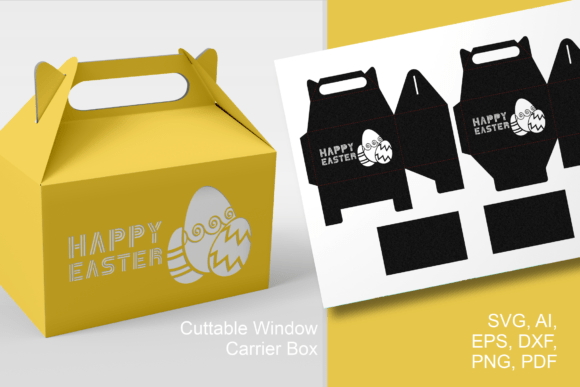
At its heart, this is a digital download that lets you make your own gable boxes with decorative cutouts. Instead of a plain gift box, you get a design where the words "Happy Easter" appear as part of the box itself, along with egg-shaped openings that add a light and festive feel. The cutouts create see-through windows, which means you can line the inside with clear inserts and let the colors of wrapped candies or decorated cookies peek through naturally.
What Makes This Gable Box Template Different
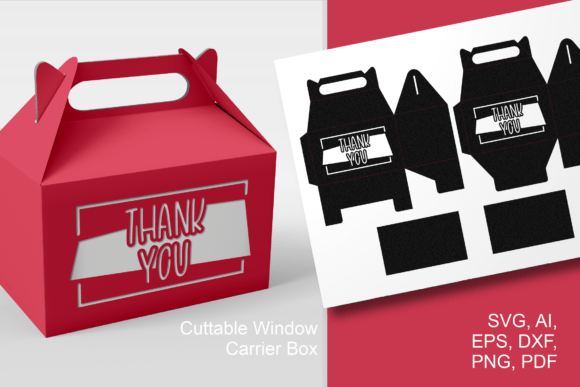
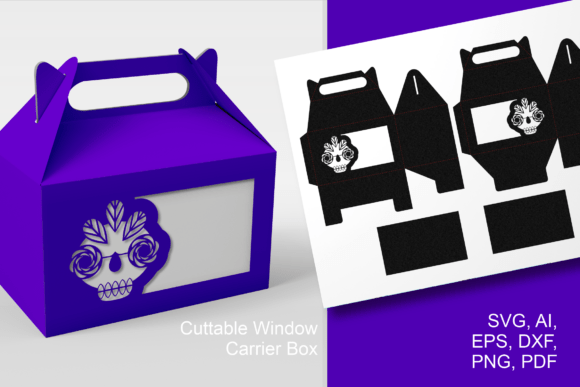
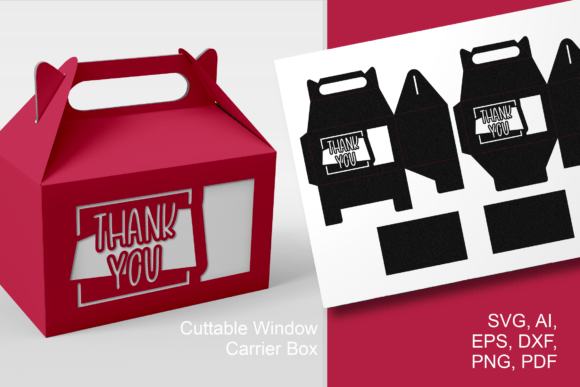
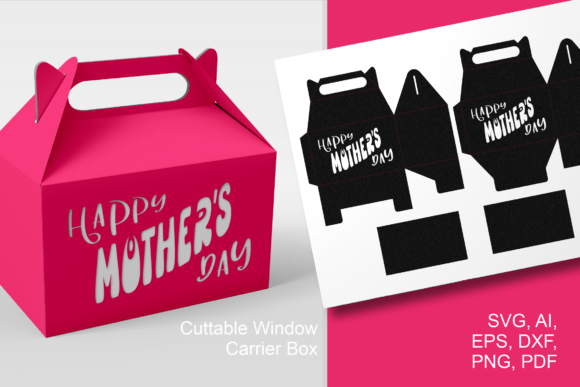
Think of it less as a simple container and more as a presentation piece. The carrier-style shape features wide windows on both the front and the back, so no matter which way the box is turned, the cheerful message and egg cutouts are visible. The design includes four separate parts in the template: two pieces form the actual box structure, and two additional pieces serve as transparent inserts to cover the windows from the inside.
When fully assembled, the box measures approximately 4 by 6.5 by 6.5 inches, or roughly 10 by 16 by 16 centimeters. This size works comfortably for a handful of chocolate eggs, a small stack of cookies, a few doughnuts nestled together, or even a mix of trail mix and jelly beans. Because the template is digital, you have the freedom to scale it up or down depending on what you plan to fill it with. A slightly smaller version works nicely for a single decorated cupcake, while a larger print could hold a small loaf of homemade Easter bread.
Creative Possibilities for Easter and Beyond
One of the reasons this template appeals to such a wide range of people is how easily it adapts to different occasions and creative styles. Yes, it was built with Easter in mind, and the cutout message makes that clear, but the overall structure can be a jumping-off point for your own ideas. You might cut the box from pastel cardstock for a soft spring look, or use kraft paper for a more rustic, natural table setting. Some crafters choose metallic or pearlescent paper to catch the light during an Easter brunch, while others add a ribbon threaded through the gable handle for an extra polished finish.
Beyond home use, the template suits small business owners and market vendors who want to elevate their packaging. Imagine a baker selling Easter cookies at a local pop-up: each customer walks away with a box that already says "Happy Easter" without the need for custom-printed bags or stickers. A florist might use a scaled-down version to hold small posies of dried flowers. A teacher or classroom parent could pre-assemble a batch of these boxes and fill them with allergy-friendly treats for every child, adding a personalized name tag to the handle.
Why Beginners Can Feel Confident
If you have never used a paper-cut template before, the idea of assembling a box with windows and inserts might sound complicated. In practice, the design is straightforward. The scoring lines guide your folds, and the cutout areas are clearly marked so your cutting machine or steady hand with a craft knife knows exactly where to go. The four-part construction means you build the main box first, then attach the transparent inserts, giving you a clean result without wrestling with tricky glue tabs.
The file package supports both automated cutting machines and manual cutting. You receive vector files in SVG, EPS, AI, and DXF formats, which are compatible with most popular cutting machine software. If you prefer to cut by hand, the PDF version preserves the vector quality and prints neatly on standard cardstock. There are also transparent PNG and JPG files, which can be helpful for previewing the design or creating mock-ups before you commit to cutting your good paper.
Practical Uses and Realistic Scenarios
Let us walk through a few realistic ways people use this gable box design. A parent preparing for an Easter egg hunt might fill each box with a mix of small toys, stickers, and a few foil-wrapped chocolates. The wide windows let the children see a hint of what is inside without revealing everything at once, which adds a little anticipation. Because the box has a built-in handle, even small hands can carry it around easily during the hunt or on the car ride home.
A home baker who makes hot cross buns or decorated sugar cookies every spring could present their gifts in these boxes instead of disposable plastic bags. The recipient gets something that feels more intentional, and the box itself becomes part of the gift. Since the template is reusable and the boxes can be flattened for storage, the baker can cut and score a stack of them ahead of time, then assemble them the night before a gathering or delivery.
Event planners and hosts can use these favor boxes as part of a coordinated table setting. When arranged at each place setting, the boxes double as name card holders if you tuck a small tag into the handle. The transparent windows mean you do not have to open the box to see what flavor of treat is inside, which helps guests with dietary preferences choose their own without confusion.
Choosing the Right Materials
Your choice of paper or cardstock directly affects how the finished box looks and holds up. A medium-weight cardstock, around 65 to 80 lb cover weight, provides enough stiffness for the box to stand on its own without being difficult to fold cleanly. If you go too light, the gable handle might bend under the weight of the contents. If you go too heavy, the score lines may crack or the folds may feel bulky, especially around the narrower edges.
For the transparent inserts, acetate sheets or clear transparency film work well. You can also repurpose clear report covers or even sections of clean plastic packaging if you want a more sustainable approach. When attaching the inserts, a small amount of double-sided tape or a thin line of clear-drying glue placed along the inner edges keeps everything neat without smudging the see-through area.
What You Can Expect from the Digital Files
The downloadable package is designed to give you flexibility regardless of your preferred tools. Vector-based files ensure that the cut lines remain sharp and accurate at any size you choose to print. If you use a cutting machine like a Cricut or Silhouette, the SVG file typically imports directly into the software with the cut and score lines already separated into their proper layers. The DXF format offers another widely supported option, particularly for users working with different design programs. EPS and AI files serve those who prefer Adobe Illustrator or similar professional software for fine-tuning the layout or combining the box design with other graphic elements.
The PDF version keeps things simple for anyone who just wants to print and cut without extra software steps. Because it is vector-based, the lines stay crisp whether you print at the default size or scale the design. The transparent PNG and JPG files are useful for preview purposes, blog posts, or social media graphics if you create content around your making process.
Scaling and Customizing the Design
Resizing the template is one of its most useful features. The default dimensions yield a box that suits most standard Easter treats, but you are not locked into that size. If you want a smaller favor box for a single truffle or a ring-sized gift, scaling down to around 70 or 80 percent usually works well, provided your cardstock can still hold the folds without tearing. If you want a larger box to fit a small plush toy or a generous portion of homemade caramel corn, scaling up may require you to adjust the material thickness or reinforce the handle area with an extra strip of paper glued along the inside.
Color choice is another easy form of customization. Soft yellows, pale pinks, mint greens, and lavender purples naturally evoke spring, while a crisp white box with a bright tissue paper lining creates a clean and modern look. Some makers print a subtle pattern on the cardstock before cutting, such as a faint polka dot or gingham, which adds texture without competing with the cutout message.
Important Considerations Before You Start
A few practical points can help you avoid common frustrations. First, always do a test cut on plain printer paper before using your good cardstock. This lets you verify that the scaling is correct and that your cutting machine settings are dialed in. You may need to adjust the pressure or blade depth slightly depending on the thickness of your material.
Second, think about assembly time if you are making many boxes. One box can be cut, assembled, and filled in about ten to fifteen minutes once you are familiar with the process. For a classroom party of twenty children, set aside a couple of hours or break the task into stages: cut all pieces one evening, attach the inserts the next, and assemble the folded boxes the morning of the event.
Finally, consider what you will put inside. Because the windows are fairly wide, very small items like loose sprinkles or tiny seed beads might slip through if not contained in their own wrapping inside the box. Cellophane bags, cupcake liners, or a simple square of wax paper can keep everything secure while still looking tidy through the transparent window.
Who Gets the Most Value from This Template
The appeal of the Happy Easter Gable Favor Box Template spans a wide range of people. Hobbyist crafters enjoy the satisfaction of making something practical and cute in an afternoon. Parents appreciate a personal touch for school celebrations without the expense of custom-printed packaging. Small business owners and market sellers find it a cost-effective way to brand seasonal products without minimum order quantities or long lead times. Educators and community group leaders can use the project as a hands-on activity that teaches basic construction skills while producing something useful.
Even if you are not typically a crafter, the clarity of the design and the availability of multiple file formats lower the barrier to entry. You do not need advanced design skills to get a polished outcome. You just need the template, some cardstock, a cutting method, and a little patience for the first assembly. After the first box comes together, the rest go much faster.
Whether you are filling these gable boxes with jelly beans for a neighborhood egg hunt, packaging small loaves of lemon bread for a spring bake sale, or simply adding a handmade touch to your family's Easter morning, this template offers a flexible and enjoyable way to make your efforts feel more personal. The finished box carries both your treats and the cheerful spirit of the season, all wrapped up in something you made yourself.