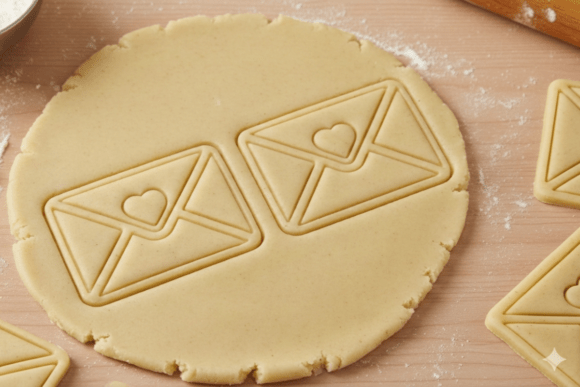
Love Letter Cookie Cutter: A Digital Tool for Personal Expression
Imagine handing someone a cookie, a simple, everyday treat, that carries a secret message etched into its surface. This isn't a fantasy; it's the practical magic of the Love Letter Cookie Cutter. This clever digital file represents a shift in how we think about personal gifts, event catering, and even small-scale branding. It's a tool that bridges the digital and physical, turning a 3D printer into a conduit for tangible, heartfelt communication.
The Anatomy of a Unique Cookie Cutter
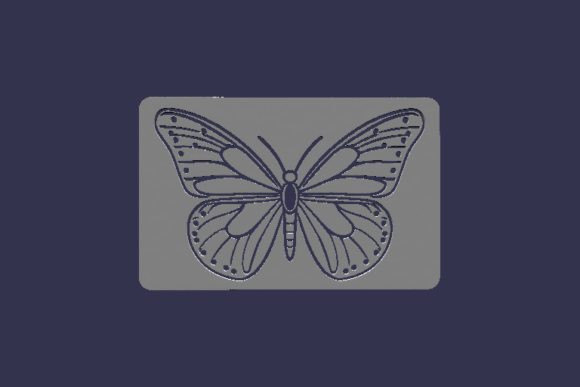
At its core, the Love Letter Cookie Cutter is an interlocking design. The outer piece is responsible for creating the classic cookie shape—perhaps a rectangle, a heart, or a circle. The genius lies in the inner piece, which sits within that outer frame. This interior component is the pattern-maker, the element that imprints your chosen design directly onto the dough before baking. The result is a clean, embossed impression, not a cut-out hole.
A critical tip for success is a simple freezer step. Letting the cut dough sit for about 10 minutes before baking firms it up. This ensures the intricate patterns from the inner cutter won't blur or distort during the oven's heat expansion, preserving your message's crisp, elegant appearance.
Key Characteristics and Strengths
Unlike a mass-produced plastic cutter from a store, this tool begins as a digital file. This origin grants it notable qualities. First is absolute customization. The "love letter" pattern is just a starting point. The file can be adapted to include initials, a date, a small logo, or even a simple graphic. For those with 3D modeling skills, it becomes a template for infinite personalization.
Its nature as a digital asset also means inherent durability and reproducibility. If a physical cutter wears out or breaks, you don't need to search for a replacement online or in a specialty shop. You simply print another one from the file you own. This is a significant advantage for frequent users or small businesses.
Practical Applications Beyond the Kitchen
The utility of the Love Letter Cookie Cutter extends far beyond a hobbyist's weekend baking project. Its applications touch various environments because it solves a specific problem: adding a personalized, tactile detail to a universally appreciated item.
Personal and Social Use
For individuals, it transforms cookie baking into a more meaningful activity. Create cookies for a partner with a hidden "I love you" for Valentine's Day, or for a child with their name imprinted on a after-school snack. It adds a layer of thoughtfulness to holiday gatherings, birthday parties, or even as a unique "thank you" gift for neighbors or friends. The effort is minimal, but the perceived care is maximized.
Professional and Commercial Environments
For entrepreneurs and small business owners in the catering, bakery, or event planning space, this tool offers a subtle branding opportunity. A small café could imprint its logo on complimentary cookies. A wedding planner could coordinate with a baker to have the couple's initials on cookies served at the rehearsal dinner. The pattern acts as a discreet but memorable mark of quality and personal attention, enhancing the client's experience.
Freelancers or marketers might even use it in a creative campaign. Imagine a direct mail piece that includes a cookie with a branded message—it’s an unconventional but highly engaging tactile experience that stands out in a digital world.
Educational and Creative Spaces
Educators or workshop leaders can use the Love Letter Cookie Cutter as a hands-on tool in lessons about digital fabrication. It demonstrates how a 3D file becomes a functional physical object. In creative communities, it serves as a bridge between digital design and traditional crafting, encouraging artists to explore how digital tools can enhance analog outputs.
Benefits and Real-World Value
The primary benefit is enhanced communication through a familiar medium. A cookie is approachable and non-threatening. Adding a personalized pattern elevates it into a specific message carrier. This can strengthen personal connections or reinforce brand identity in a gentle, enjoyable way.
From a practical standpoint, it promotes efficiency and consistency. For someone making dozens of personalized cookies, a traditional approach might involve hand-writing with icing, which is time-consuming and variable. The Love Letter Cookie Cutter creates a uniform, professional-looking impression every time, with much less manual labor.
Finally, it speaks to the modern value of user agency. As a digital file, it puts the tool's creation and modification potentially into the hands of the user. You are not just buying a product; you are acquiring an adaptable asset that you can control and reproduce as needed.
Practical Considerations for Implementation
Successfully using the Love Letter Cookie Cutter requires attention to a few key details. First, you need access to a 3D printer and basic knowledge to prepare and print the provided file. The material you choose for printing is important. A sturdy, food-safe PLA is a common recommendation, and the cutter should be thoroughly cleaned before its first use.
Your dough recipe matters. A dough that is too soft or sticky may not release cleanly from the intricate inner pattern. A slightly firmer shortbread or sugar cookie dough often works best. Remember the crucial freezing step—it’s not optional for sharp results. Ten minutes in the freezer is a minor pause that guarantees the pattern's integrity.
When evaluating the idea, consider your volume. If you only need a few personalized cookies for a single event, the effort of 3D printing might be more than sourcing a one-off custom cutter from a craftsperson. However, if you foresee repeated need—for seasonal events, a small business, or as a versatile tool in your creative arsenal—the digital file offers long-term value and flexibility.
A Tool for Meaningful Making
The Love Letter Cookie Cutter isn't about revolutionizing baking. It's about enhancing a simple act with intention and a touch of technology. It allows professionals to add a signature detail to their work, enables individuals to express care in a novel way, and serves as a small, practical example of how digital design files can enrich our physical lives. In a world of mass-produced goods, it provides a pathway back to making things that are genuinely, and visibly, personal.